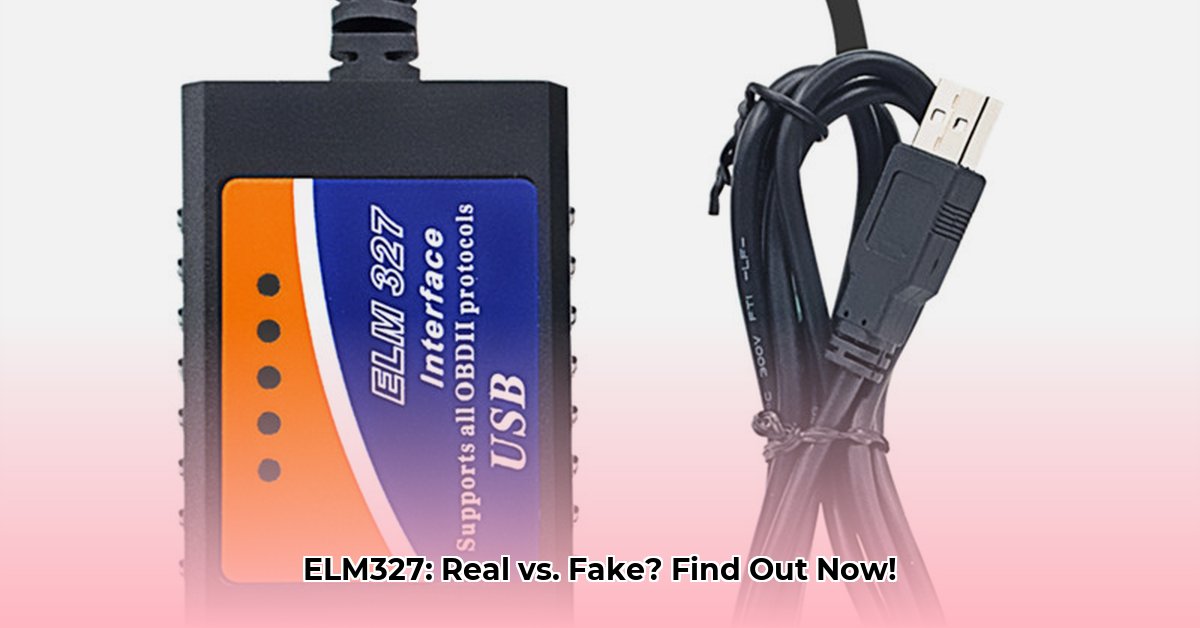
Understanding Your Car's Secret Language: The OBD ELM327
Want to diagnose car trouble without hefty mechanic bills? The OBD ELM327 might be your solution. This small device plugs into your car's On-Board Diagnostics (OBD-II) port, acting as a translator between your vehicle's computer and your smartphone or laptop. It allows you to access crucial engine data, troubleshoot problems, and even clear trouble codes. Sounds simple, right? It is – in theory. The popularity of the ELM327, however, has spawned a massive market of cheap, unreliable clones. This guide helps you navigate this landscape, ensuring you get a genuine and effective device.
How the ELM327 Works: A Simple Explanation
Think of your car's computer as a highly sophisticated system constantly monitoring various aspects of its performance, storing diagnostic trouble codes (DTCs), and noting crucial data points. The problem? This data is typically inaccessible without specialized equipment. The ELM327 acts as a bridge, converting your car's internal communication protocols (like ISO 9141-2 and CAN bus – complex communication standards used by vehicles) into a format your smartphone or computer can understand.
What can you do with an authentic ELM327? A lot. You can:
- Decode that pesky "check engine" light, identifying the root cause of the problem.
- Monitor real-time data like engine temperature, speed, and fuel consumption.
- Potentially adjust certain vehicle settings (depending on your software and adapter capabilities).
But be warned: older models and counterfeit devices may lack these features.
The ELM327 Clone Epidemic: Why are there so many fakes?
The original ELM327 design wasn't overly complex, making it easy for manufacturers to create inexpensive copies. This unfortunately led to a surge in counterfeit devices flooding the market. While some clones work adequately, many cut corners, resulting in unreliable performance, missing features, and even potential harm to your vehicle's systems. Buying a cheap clone is essentially a gamble.
Choosing Your ELM327: A Buyer's Guide to Avoid Counterfeits
Selecting a reliable ELM327 requires careful consideration. Here's a step-by-step guide:
Scrutinize Online Reviews: Before purchasing, thoroughly review user feedback on sites like Amazon or dedicated automotive forums. Consistent positive reviews are a strong indicator of quality, while numerous negative reviews should raise serious concerns. Are negative reviews consistently pointing to specific issues?
Define Your Needs: Do you require Bluetooth, Wi-Fi, or USB connectivity? Your choice of smartphone or computer will dictate the best interface. Compatibility with your preferred diagnostic software is also crucial. Which software are you planning to use with your OBD adapter?
Verify Compatibility: Confirm that the adapter supports your vehicle's specific OBD-II communication protocols. Your car's owner's manual or online resources should provide this information. Did you check your car's OBD-II protocols against the adapter's specifications?
Price Analysis: Be wary of extraordinarily low prices. A significantly cheaper ELM327 is frequently a low-quality clone. A slightly higher price often translates to better components and enhanced reliability. How does the price compare to similar products from reputable sellers?
Select Your Vendor Carefully: Purchase from established online retailers or brick-and-mortar stores with strong return policies. This provides a safety net if the device proves defective. Is the vendor known for quality products and customer service?
Genuine vs. Clone: Key Differences
| Feature | Genuine ELM327 | Clone ELM327 |
|---|---|---|
| Price | Higher | Significantly Lower |
| Reliability | Excellent | Inconsistent, often unreliable |
| Compatibility | Wide range, generally stable | Limited, may have compatibility issues |
| Power Consumption | Low | Can be high, potentially draining your car battery |
| Manufacturing Quality | High | Variable, often substandard |
Identifying Genuine ELM327 Adapters: A Closer Look
Here's how to spot a fake:
Packaging and Branding: Look for inconsistencies in labeling, spelling errors, low-quality printing, or generic packaging. Authentic ELM327 adapters usually have professional packaging.
Chip Markings: Examine the ELM327 chip for clear markings. Counterfeit chips often lack proper identification.
Connection Stability: A genuine adapter should provide a stable and consistent connection to your car's OBD-II port. Frequent disconnections or errors signal a potential problem.
Software Compatibility: Test the adapter with various compatible OBD-II software programs. Clones often have incorrect firmware, limiting their functionality.
Manufacturer Reputation: Prioritize reputable sellers with positive customer reviews highlighting reliable performance.
The Future of OBD Diagnostics
The widespread ELM327 cloning issue highlights the need for stricter industry standards and increased consumer protection. Clearer rules for manufacturing and advertising these devices are crucial to prevent misleading practices. While the original manufacturer is no longer active, the demand for these diagnostic tools remains high, driving ongoing innovation and research into more advanced solutions.
Key Takeaways:
- A significantly low price is a major red flag.
- Check packaging and branding carefully.
- Thoroughly test connection stability and software compatibility.
- Buy from reputable sellers with a strong track record.
- Prioritize a reliable, genuine adapter – your car's health depends on it.
⭐⭐⭐⭐☆ (4.8)
Download via Link 1
Download via Link 2
Last updated: Monday, June 02, 2025